Key Takeaways: Strengthening Your Strategic and Quality Thinking
- Strategic thinking involves long-term planning and understanding the big picture.
- Asking the right questions can uncover hidden opportunities and challenges.
- Creativity and innovation are essential to developing strategic solutions.
- Analyzing multiple perspectives helps to make well-rounded decisions.
- Quality thinking focuses on precision and continuous improvement.
Essentials of Strategic Thinking
Strategic thinking is more than just planning; it's about seeing the big picture and understanding how different elements fit together. It involves considering long-term goals and the steps needed to achieve them. By thinking strategically, you can make decisions that align with your objectives and adapt to changing circumstances.
Definition and Importance
At its core, strategic thinking is a method of planning that involves analyzing the current situation, anticipating future challenges, and developing a course of action. This approach is crucial in both personal and professional settings as it helps individuals and organizations navigate complexity and uncertainty.
Key Attributes of a Strategic Thinker
Strategic thinkers possess several key attributes. They are visionary, able to see beyond the immediate and focus on long-term goals. They are also analytical, capable of breaking down complex problems into manageable parts. Most importantly, they are adaptable, ready to adjust their strategies as needed.
Benefits of Strategic Thinking in Personal and Professional Life
Incorporating strategic thinking into your daily life can lead to numerous benefits. It can enhance your decision-making skills, allowing you to weigh options more effectively. Professionally, it can improve your ability to lead and manage teams by setting clear goals and aligning resources to achieve them. Personally, strategic thinking can help you prioritize tasks and make more informed choices.
Foundational Techniques for Strategic and Quality Thinking
To develop strategic and quality thinking, it's essential to master a few foundational techniques. These techniques provide a framework for analyzing situations, generating ideas, and making decisions.
Asking Thought-Provoking Questions
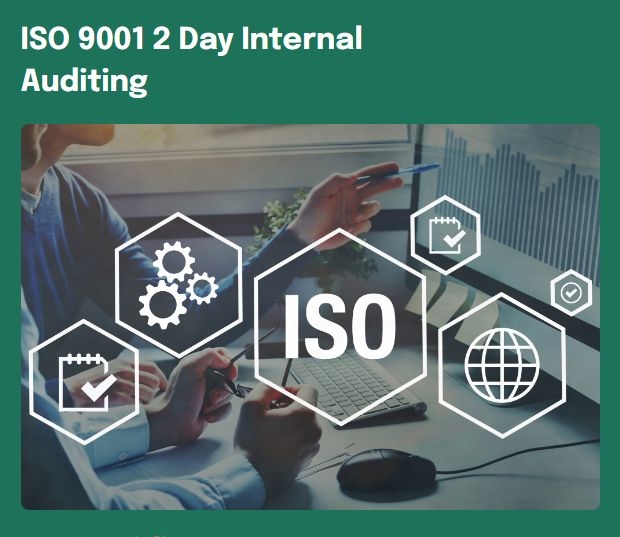
One of the most powerful tools in strategic thinking is asking the right questions. Thought-provoking questions can uncover hidden assumptions and bring clarity to complex issues. For instance, asking “What are the long-term implications of this decision?” can help you anticipate future challenges. As a trained internal auditor this ability gets better and better. See our ISO Internal Audit Training either Workshop or full 2 day Course
Here are some ways to enhance your questioning skills:
- Challenge assumptions: Ask why things are done a certain way.
- Seek clarity: Ask for explanations and details.
- Explore alternatives: Ask what other options are available.
Fostering Creativity and Innovation
Creativity and innovation are crucial for strategic thinking. They allow you to develop new solutions and adapt to changing circumstances. To foster creativity, it's important to create an environment where new ideas are welcomed and explored. Learn how aligning your QMS with business strategy can enhance creativity and drive innovation.
Consider these steps to boost your creativity:
- Encourage brainstorming: Gather a group and generate ideas without judgment.
- Embrace failure: Understand that not all ideas will work, but each failure is a learning opportunity.
- Stay curious: Keep learning and exploring new fields.
Analyzing Various Perspectives
Strategic thinkers benefit from considering multiple perspectives. This approach helps to uncover biases and develop a more comprehensive understanding of a situation. By analyzing different viewpoints, you can make more informed and balanced decisions.
To analyze perspectives effectively:
- Engage diverse teams: Include people with different backgrounds and experiences.
- Seek feedback: Ask others for their opinions and insights.
- Consider the consequences: Think about how different decisions will affect various stakeholders.
Practical Applications of Strategic Thinking
Strategic thinking is not just a theoretical concept; it has practical applications in everyday life. By integrating strategic thinking techniques into your routine, you can improve your decision-making, problem-solving, and planning skills.
Adapting to Change and Uncertainty
In today's fast-paced world, change is the only constant. Whether it's a shift in market trends, technological advancements, or unexpected personal events, adapting to change is crucial for success. Strategic thinkers excel in this area because they anticipate change and prepare accordingly.
One of the best ways to adapt to change is by staying informed. Keep up with industry news, technological innovations, and global events that might impact your field. This knowledge will allow you to foresee potential changes and prepare for them.
Besides that, flexibility is key. Being open to new ideas and approaches can help you pivot when necessary. For example, if a project isn't going as planned, a flexible mindset allows you to explore alternative solutions rather than sticking rigidly to the original plan.
Another important aspect is resilience. Change can be challenging, but resilient individuals are able to bounce back from setbacks and continue moving forward. Developing resilience involves building a strong support network, maintaining a positive attitude, and learning from past experiences.
Enhancing Strategic Thinking Skills
Improving your strategic thinking skills can have a profound impact on your personal and professional life. It involves a continuous process of reflection, learning, and application. Here are some ways to enhance these skills:
Practicing Reflection and Self-Awareness
Reflection is a powerful tool for personal growth. By regularly reviewing your actions and decisions, you can identify areas for improvement and develop a deeper understanding of your strengths and weaknesses. Self-awareness is crucial in this process as it allows you to objectively assess your behavior and its impact. For more insights on aligning personal growth with broader objectives, consider exploring how aligning strategies can enhance effectiveness.
Continuous Learning and Development
Strategic thinkers never stop learning. They seek out new knowledge and experiences to expand their understanding of the world. This could involve reading books, attending workshops, or engaging with thought leaders in your field. The more you learn, the better equipped you are to think strategically.
Tools and Resources for Strategic Growth
There are numerous tools and resources available to help you develop your strategic thinking skills. Mind mapping software, for example, can help you organize your thoughts and visualize complex ideas. Additionally, strategic planning frameworks, such as SWOT analysis, can provide structure to your decision-making process.
Quality Thinking Techniques
Quality thinking focuses on precision, accuracy, and continuous improvement. It's about ensuring that your decisions and actions are well-informed and aligned with your goals. Here are some techniques to enhance quality thinking:
First, strive for precision in your work. This means paying attention to detail and ensuring that your actions align with your objectives. Whether it's writing a report or developing a new product, precision ensures that the final result meets your standards.
Focus on Precision and Accuracy
Precision and accuracy are essential for quality thinking. They involve being meticulous in your work and ensuring that every detail is correct. This can be achieved by setting clear standards and regularly reviewing your work to ensure it meets these standards.
Feedback Loops and Iterative Improvement
Feedback is a valuable tool for continuous improvement. By seeking feedback from others, you can identify areas for improvement and make necessary adjustments. Iterative improvement involves making small, incremental changes over time to enhance the overall quality of your work.
For example, consider a software development team that releases updates based on user feedback. By continuously iterating and improving the product, they can ensure it meets user needs and remains competitive in the market.
Balancing Analytical and Intuitive Approaches
Quality thinking requires a balance between analytical and intuitive approaches. Analytical thinking involves breaking down complex problems into smaller parts and using data to inform decisions. Intuitive thinking, on the other hand, relies on gut feelings and instincts.
By combining these approaches, you can make well-rounded decisions. For instance, you might use data analysis to identify trends and then rely on your intuition to determine the best course of action. This balance allows you to consider both the facts and your instincts when making decisions.
Building a Strategic Culture
Creating a strategic culture involves fostering an environment where strategic thinking is encouraged and valued. This culture can drive innovation, improve decision-making, and enhance overall performance. Here are some ways to build a strategic culture:
First, establish clear objectives and align them with your organization's mission and values. This provides a framework for decision-making and ensures that everyone is working towards the same goals.
- Encourage collaboration and open communication.
- Provide opportunities for professional development.
- Recognize and reward strategic thinking and innovation.
By implementing these strategies, you can create a culture that values strategic thinking and supports continuous improvement. For more insights, explore strategic thinking tools and techniques.
Encouraging Open Communication
Open communication is essential for a strategic culture. It allows for the free flow of ideas and encourages collaboration among team members. By fostering an environment where everyone feels comfortable sharing their thoughts, you can tap into the collective intelligence of your team.
To encourage open communication, consider implementing regular team meetings, feedback sessions, and brainstorming workshops. These activities can help build trust and ensure that everyone's voice is heard. For more on enhancing team effectiveness, explore how a quality management system can play a crucial role.
By focusing on strategic and quality thinking, you can enhance your personal and professional life. These skills enable you to make informed decisions, adapt to change, and continuously improve. Remember, strategic thinking is a journey, not a destination. Keep learning, reflecting, and growing, and you'll be well on your way to achieving your goals.
Establishing Clear Objectives and Alignments
Establishing clear objectives is fundamental to any strategic endeavor. It provides a roadmap that guides decisions and actions, ensuring that everyone is aligned and working towards the same goals. To set effective objectives, it's important to be specific about what you want to achieve and why it's important.
Begin by defining your mission and vision. These statements outline the purpose and long-term aspirations of your organization or personal endeavors. Once you have a clear understanding of your mission, you can break it down into smaller, actionable objectives. These should be SMART: Specific, Measurable, Achievable, Relevant, and Time-bound. This framework ensures that your goals are clear and attainable, providing a solid foundation for strategic planning.
Measuring Success and Making Adjustments
To ensure that your strategic efforts are on track, it's crucial to measure success regularly. This involves setting key performance indicators (KPIs) that align with your objectives and provide a quantifiable measure of progress. By monitoring these KPIs, you can identify areas of strength and weakness, allowing you to make informed decisions about where to focus your efforts.
However, measuring success is not just about tracking numbers; it's also about being flexible and open to change. As circumstances evolve, you may need to adjust your strategies to stay aligned with your goals. Regularly reviewing your progress and being willing to pivot when necessary can help you stay on course and achieve long-term success. For more insights, explore examples of strategic thinking that can guide your approach.
Conclusion: Advancing Your Strategic Mindset
Advancing your strategic mindset is a continuous journey that requires dedication and practice. By embracing strategic thinking techniques, you can enhance your ability to make informed decisions, adapt to change, and drive innovation. Whether in personal or professional settings, these skills empower you to navigate complexity and achieve your goals.
Steps for Immediate Implementation
To start implementing strategic thinking techniques immediately, consider the following steps. For more insights, explore 5 proven techniques to enhance your skills.
- Reflect on your current decision-making processes and identify areas for improvement.
- Set aside time each week to practice strategic thinking, such as through brainstorming sessions or strategic planning exercises.
- Seek feedback from peers and mentors to gain new perspectives and insights.
Long-Term Benefits and Growth
Over time, developing a strategic mindset can lead to significant personal and professional growth. By consistently applying strategic thinking techniques, you'll become more adept at navigating uncertainty, making informed decisions, and driving positive change. These skills not only enhance your ability to achieve your goals but also position you as a valuable asset in any organization.
As you continue to develop your strategic thinking abilities, you'll find that the benefits extend beyond immediate outcomes. Strategic thinking fosters a growth mindset, encouraging you to seek out new opportunities, embrace challenges, and continuously improve.
Frequently Asked Questions
In this section, I'll address some common questions about strategic thinking and provide practical insights to help you on your journey.
What is the first step in developing strategic thinking skills?
The first step in developing strategic thinking skills is to cultivate self-awareness. Understanding your strengths, weaknesses, and biases allows you to approach problems more objectively. Begin by reflecting on past decisions and identifying patterns in your thinking. This self-awareness lays the foundation for more effective strategic planning.
How can I measure the effectiveness of my strategic thinking?
To measure the effectiveness of your strategic thinking, set clear objectives and track your progress against them. Use KPIs to quantify your achievements and identify areas for improvement. Additionally, seek feedback from others to gain an outside perspective on your strategic approach. This combination of quantitative and qualitative measures provides a comprehensive view of your effectiveness.
Moreover, consider the long-term impact of your decisions. Are you achieving your desired outcomes? Are you able to adapt to changing circumstances? These questions can help you assess the overall effectiveness of your strategic thinking.
What role does creativity play in strategic thinking?
Creativity plays a crucial role in strategic thinking by enabling you to develop innovative solutions to complex problems. It allows you to think outside the box and explore new possibilities, which is essential for adapting to change and staying competitive. By fostering a creative mindset, you can enhance your strategic thinking abilities and drive positive outcomes.
For example, consider a company facing declining sales. A creative strategic thinker might explore new markets, develop innovative products, or implement unique marketing strategies to turn the situation around. Creativity allows you to see opportunities where others see challenges.
“Creativity is seeing what others see and thinking what no one else ever thought.” – Albert Einstein
This quote highlights the power of creativity in strategic thinking and its ability to drive innovation and change.
How can I implement strategic thinking in a team environment?
Implementing strategic thinking in a team environment involves fostering a culture of collaboration and open communication. Encourage team members to share their ideas and perspectives, and create opportunities for brainstorming and strategic planning sessions. By leveraging the collective intelligence of your team, you can develop more comprehensive and effective strategies.
Additionally, provide training and resources to help team members develop their strategic thinking skills. This could involve workshops, seminars, or mentorship programs. By investing in your team's development, you can enhance their ability to contribute to strategic initiatives and drive organizational success.
Remember, strategic thinking is a shared responsibility. By involving your team in the process, you can build a stronger, more cohesive organization.
What resources are available for improving strategic thinking skills?
There are numerous resources available to help you improve your strategic thinking skills. Books, such as “The Art of Strategy” by Avinash K. Dixit and Barry J. Nalebuff, provide valuable insights into strategic thinking principles and techniques. Online courses and workshops can also offer practical guidance and real-world applications. For instance, exploring systems thinking benefits can enhance your strategic approach by understanding complex systems.
Additionally, consider joining professional organizations or networking groups focused on strategic planning and development. These communities provide opportunities to learn from others, share experiences, and gain new perspectives.
By leveraging these resources, you can continuously develop your strategic thinking abilities and achieve greater success in your personal and professional endeavors.
Remember, strategic thinking is a lifelong journey. Keep learning, growing, and adapting, and you'll be well on your way to achieving your goals.