
Key Takeaways
- Environmental degradation directly impacts human health, leading to diseases and poor living conditions.
- A healthy environment is essential for the enjoyment of fundamental human rights.
- Quality Management Approach to Healthcare.
- Sustainable practices can help fulfill human rights by ensuring clean air, water, and food security.
- Climate change poses significant health risks, including respiratory diseases and heat-related illnesses.
- Adopting sustainable living habits can mitigate these risks and promote health equity.
Why Sustainability Matters for Human Rights and Health
The Domino Effect of Environmental Degradation
Environmental degradation isn't just about polluted rivers or deforested lands; it's a chain reaction that impacts human health and rights. When forests are cut down, it isn't just trees that are lost. Local communities often lose their source of livelihood, clean water, and even shelter. This puts them at a higher risk of poverty and disease. For instance, consider the Amazon rainforest. Deforestation here doesn't only affect the indigenous tribes who call it home. It also impacts global air quality and climate regulation. This shows how interconnected our environment and our health are.
The Vital Role of a Healthy Environment in Human Health
A clean, healthy environment is crucial for our well-being. Without it, the air we breathe, the water we drink, and the food we eat become contaminated, leading to a host of health problems. Polluted air can cause respiratory diseases, while contaminated water can lead to gastrointestinal issues and even long-term illnesses like cancer. “Human rights and the environment are intrinsically intertwined: a safe, clean, healthy, and sustainable environment is essential in the enjoyment of our human rights.” – United Nations General Assembly Moreover, environmental hazards like toxic waste dumps or polluted rivers often disproportionately affect marginalized communities. This not only violates their right to health but also perpetuates cycles of poverty and inequality.
Get Familiar with the New ISO 7101:2023 Healthcare Quality Management
A newly published standard, relevant to all healthcare organizations regardless of size, structure, or location, does just that: ISO 7101:2023, Healthcare organization management—Management systems for quality in healthcare organizations, is the first international standard for healthcare quality management. The standard was developed under U.S. leadership of the International Organization for Standardization’s (ISO) Technical Committee (TC) 304, Healthcare organization management, with 30 nations contributing. As the U.S. member body of ISO, the American National Standards Institute (https://ansi.org/). (ANSI) holds the secretariat of ISO TC 304, with responsibilities delegated to InGenesis (https://www.ingenesis.com/). InGenesis also administers the ANSI-accredited U.S. Technical Advisory Group (TAG) administrator to the TC.
Enhancing the Quality of Healthcare Delivered Globally: ISO 7101:2023
There are a number of challenges and demanding conditions, including workforce shortages, inflation amid decreasing financial resources, and a general uptick in the number of people needing healthcare services, especially with aging populations on the rise. The worldwide COVID-19 pandemic underscored the importance of technological healthcare systems and the need for structured management systems to deliver quality care to patients.
ISO 7101 helps organizations deliver high-quality healthcare using systematic, evidence-based methods. The standard was designed for multiple types of users, including ministries of health, public and private healthcare systems, hospitals, clinics, non-governmental organizations, and agencies that provide healthcare services.
When implemented, the standard can help organizations focus on timely, safe, and people-centered care while highlighting the urgency of adaptation due to the surge of virtual healthcare and technological advances. ISO 7101 prescribes requirements to:
- create a culture of quality starting with strong top management;
- embrace a healthcare system based on people-centered care, respect,
- compassion, co-production, equity, and dignity;
- identify and address risks;
- assure patient and workforce safety and well-being;
- control service delivery through documented processes and documented information;
- monitor and evaluate clinical and non-clinical performance; and
- continually improve its processes and results.
Ultimately, this standard, which does not override legal responsibilities, improves patient safety, reduces costs, increases efficiency, and boosts reputation and market share.
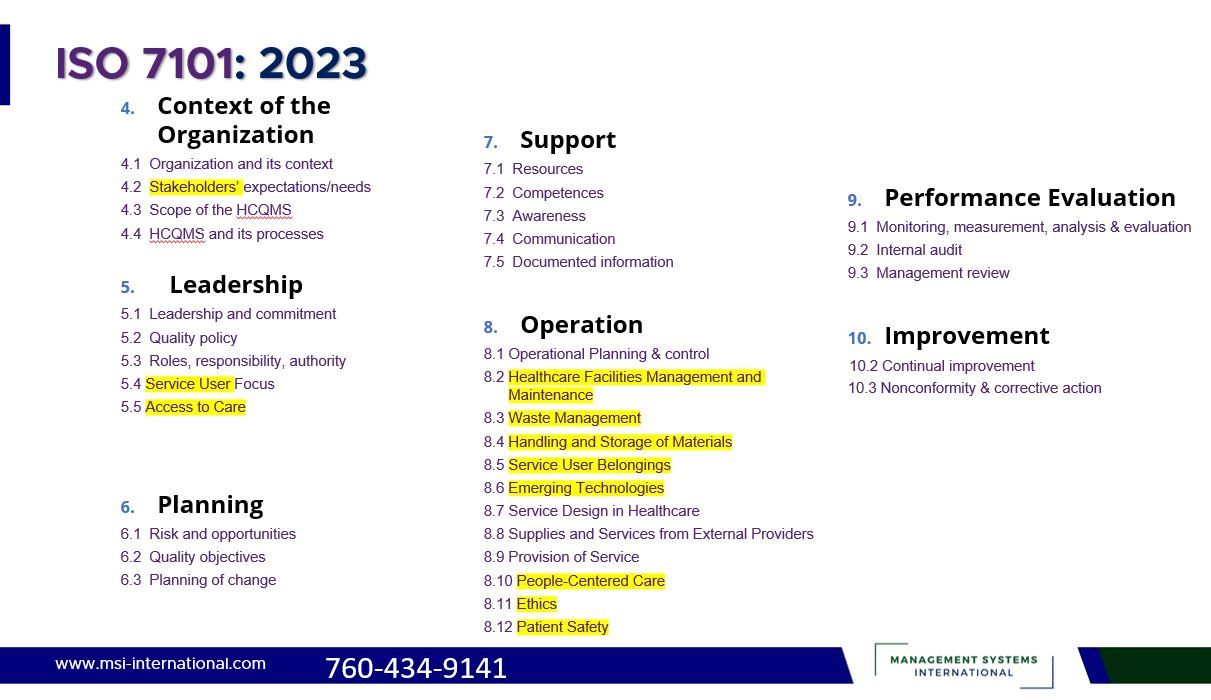
Once the ISO 7101 standard is adopted across the healthcare continuum to foster a culture focused on quality and patient-centered care. The standard will also promote the development and sustainment of high-reliability healthcare organizations that are agile in identifying and addressing the inherent risks associated with the unprecedented pace of change in healthcare delivery. Access more information about ISO 7101:2023 on ISO’s webpage (https://www.iso.org/standard/81647.html)
Sustainability: A Path to Human Rights Fulfillment
Sustainability isn't just about protecting the planet; it's about ensuring that everyone has access to the basic necessities of life—clean air, water, and food. By adopting sustainable practices, we can help fulfill these fundamental human rights. For example, sustainable agriculture practices can improve food security and nutrition. Organic farming reduces the use of harmful pesticides, which can contaminate water supplies and harm local communities. Similarly, renewable energy sources like solar and wind power reduce air pollution, improving respiratory health for everyone.
Healthcare organizations adopting ISO 7101 may still need to consider environmental aspects indirectly due to the operational nature of healthcare facilities. These include:
- Sustainability in Healthcare Operations: Hospitals and healthcare organizations typically have significant environmental footprints, such as waste management (especially medical waste), energy usage, and water consumption. While ISO 7101 doesn’t directly mandate environmental requirements, it’s likely that healthcare organizations adopting it will also look to standards like ISO 14001 (Environmental Management Systems) to handle environmental sustainability alongside their quality management systems.
- Minimizing Waste and Hazardous Materials: Part of ensuring quality healthcare involves managing the risks associated with medical and hazardous waste. ISO 7101 could encourage improvements in how healthcare facilities manage, reduce, and safely dispose of medical waste to maintain a safe environment for patients and staff.
- Resource Efficiency: While ISO 7101 mainly focuses on healthcare quality, the efficient use of resources, such as minimizing unnecessary tests and treatments, may indirectly align with environmental benefits by reducing the waste of medical supplies, energy, and other resources.
- Regulatory Compliance: Many countries have stringent environmental regulations that healthcare organizations must comply with. ISO 7101-certified organizations will likely be aware of these obligations and work to integrate environmental compliance with their quality management practices.
The Interplay Between Climate Change and Public Health
Climate change is one of the most pressing issues of our time, and its impact on public health is profound. Rising temperatures, extreme weather events, and shifting ecosystems all pose significant health risks.
Climate Change-Induced Health Risks
Climate change can exacerbate existing health issues and create new ones. For instance, heatwaves can lead to heatstroke and dehydration, especially among vulnerable populations like the elderly and children. Additionally, changing weather patterns can increase the spread of vector-borne diseases like malaria and dengue fever. Most importantly, these health risks are not evenly distributed. Low-income communities and developing countries often bear the brunt of climate change impacts, lacking the resources to adapt and respond effectively.
Noncommunicable Diseases and Environmental Factors
Noncommunicable diseases (NCDs) like heart disease, diabetes, and cancer are on the rise globally, and environmental factors play a significant role in this trend. Air pollution, for example, is a major contributor to respiratory and cardiovascular diseases.
| Environmental Factor | Associated Health Risk |
|---|---|
| Air Pollution | Respiratory and cardiovascular diseases |
| Contaminated Water | Gastrointestinal diseases, cancer |
| Pesticides | Neurological disorders, cancer |
Besides that, environmental stressors can also exacerbate mental health issues. Natural disasters, for instance, can lead to trauma and anxiety, while long-term exposure to polluted environments can contribute to chronic stress.
Poverty Alleviation and Health Improvement
Poverty and health are deeply connected. When people live in poverty, they often lack access to basic necessities such as clean water, nutritious food, and healthcare. This creates a vicious cycle where poor health leads to reduced earning potential, which in turn perpetuates poverty. Sustainable development aims to break this cycle by providing resources and opportunities for impoverished communities to improve their living conditions. For instance, microfinance initiatives can empower individuals to start small businesses, generating income and improving their quality of life. Additionally, community health programs can provide essential medical services and education, helping people to stay healthy and productive.
Promoting Renewable Energy and Clean Water Access
Renewable energy sources, such as solar and wind power, are crucial for reducing our dependence on fossil fuels and mitigating climate change. They also offer significant health benefits by reducing air pollution, which is a major contributor to respiratory diseases. In many parts of the world, access to clean water is a critical issue. Contaminated water sources can lead to a range of health problems, from gastrointestinal diseases to long-term illnesses like cancer. Sustainable water management practices, such as rainwater harvesting and wastewater treatment, can ensure that communities have access to safe, clean water.
- Install solar panels to reduce reliance on fossil fuels.
- Use energy-efficient appliances to lower electricity consumption.
- Implement rainwater harvesting systems to collect and store clean water.
- Support local initiatives that promote clean water access.
Sustainable Agriculture and Nutrition
Agriculture is a significant contributor to environmental degradation, but it doesn't have to be. Sustainable farming practices can reduce the environmental impact of agriculture while improving food security and nutrition. Organic farming, for example, avoids the use of harmful pesticides and fertilizers, which can contaminate water supplies and harm local communities. Moreover, sustainable agriculture promotes biodiversity and soil health, ensuring that land remains productive for future generations. Crop rotation, agroforestry, and integrated pest management are just a few techniques that can make farming more sustainable.
Policies and Frameworks Promoting Sustainability and Health
Governments and organizations around the world are recognizing the importance of sustainability and health, and many have implemented policies and frameworks to promote these goals. These initiatives range from international agreements to local community programs.
Global Initiatives and Agreements
One of the most significant global initiatives is the United Nations' Sustainable Development Goals (SDGs). These 17 goals aim to address a wide range of issues, including poverty, hunger, health, education, and environmental sustainability. By 2030, the SDGs aim to create a world where everyone can enjoy a healthy, fulfilling life. Another key agreement is the Paris Agreement on climate change, which aims to limit global warming to well below 2 degrees Celsius. This agreement has led to numerous national and local policies aimed at reducing greenhouse gas emissions and promoting renewable energy.
National and Local Policy Examples
Different countries have adopted various policies to promote sustainability and health. For example, Sweden has committed to becoming carbon neutral by 2045, implementing policies that promote renewable energy, energy efficiency, and sustainable transportation. In the United States, the Clean Air Act has significantly reduced air pollution, leading to improved public health outcomes. Local governments are also taking action, with cities like San Francisco implementing zero-waste policies to reduce landfill waste and promote recycling.
The Role of Non-Governmental Organizations
Non-governmental organizations (NGOs) play a vital role in promoting sustainability and health. These organizations often work on the ground, implementing projects and programs that directly benefit communities. For example, Water.org has helped millions of people gain access to clean water and sanitation through innovative financing solutions. NGOs also advocate for policy changes and raise awareness about critical issues. Organizations like Greenpeace and the World Wildlife Fund work to protect the environment and promote sustainable practices through research, advocacy, and education.
Successful Case Studies of Integrated Approaches
Looking at successful case studies can provide valuable insights into how integrated approaches to sustainability and health can be implemented effectively.
Case Study: Costa Rica’s Sustainable Development Model
Costa Rica is often cited as a model for sustainable development. The country has made significant investments in renewable energy, with nearly 100% of its electricity coming from renewable sources. Additionally, Costa Rica has implemented policies to protect its rich biodiversity, including extensive national parks and protected areas. This commitment to sustainability has not only benefited the environment but also improved the quality of life for Costa Ricans. The country has a high life expectancy and ranks well on global happiness indices, demonstrating that sustainable development can lead to positive health and well-being outcomes.
Case Study: Sweden’s Commitment to Renewable Energy
Sweden is another example of a country that has successfully integrated sustainability into its development model. The country has set ambitious goals for reducing greenhouse gas emissions and increasing the use of renewable energy. Sweden's commitment to sustainability extends to various sectors, including transportation, housing, and industry. One notable initiative is the development of eco-friendly urban areas, such as Hammarby Sjöstad in Stockholm. This district incorporates sustainable building practices, renewable energy sources, and efficient waste management systems, creating a model for sustainable urban living.
Community-Led Initiatives Making a Difference
Community-led initiatives are crucial in driving sustainable practices and improving public health. These grassroots efforts often address local issues more effectively than top-down approaches. For instance, community gardens in urban areas can provide fresh produce, improve local diets, and foster a sense of community. In India, Barefoot College has trained women from rural areas to become solar engineers. These women install and maintain solar panels in their villages, providing clean energy and reducing dependence on fossil fuels. This initiative not only promotes sustainability but also empowers women and improves their economic prospects. Similarly, in the United States, the Transition Towns movement encourages communities to become more self-sufficient and resilient. By promoting local food production, renewable energy, and sustainable transportation, these towns are reducing their environmental impact and improving the quality of life for residents.
How to Take Personal Action for Sustainability and Health
Taking personal action is essential for promoting sustainability and health. Small changes in our daily lives can have a significant impact on the environment and our well-being.
Adopting a Sustainable Lifestyle
Adopting a sustainable lifestyle involves making conscious choices to reduce our environmental footprint. Here are some practical steps you can take:
- Reduce, reuse, and recycle: Minimize waste by recycling materials, reusing items, and reducing consumption.
- Choose sustainable products: Opt for products made from eco-friendly materials and those that have minimal environmental impact.
- Conserve energy: Use energy-efficient appliances, turn off lights when not in use, and consider installing solar panels.
- Use public transportation: Reduce your carbon footprint by using public transportation, biking, or walking instead of driving.
- Eat a plant-based diet: Reduce meat consumption and choose locally-sourced, organic produce to lower your environmental impact.
Supporting Local and Global Initiatives
Supporting local and global initiatives can amplify your impact. Here are some ways to get involved:
- Volunteer: Offer your time and skills to local environmental organizations and community projects.
- Donate: Financial contributions can support the work of NGOs and initiatives focused on sustainability and health.
- Raise awareness: Use social media and other platforms to educate others about the importance of sustainability and human rights.
- Participate in campaigns: Join campaigns and movements that advocate for environmental protection and social justice.
Advocating for Policy Changes
Advocating for policy changes is crucial for creating systemic change. Here’s how you can make your voice heard:
- Contact your representatives: Write to or call your local, state, and national representatives to express your support for sustainable policies.
- Attend town hall meetings: Participate in local government meetings to voice your concerns and support for environmental initiatives.
- Sign petitions: Support petitions that call for stronger environmental protections and sustainable practices.
- Join advocacy groups: Become a member of organizations that work to influence policy and promote sustainability.
Future Outlook on Sustainability, Human Rights, and Health
The future of sustainability, human rights, and health is filled with both challenges and opportunities. Emerging trends and innovations offer hope for a more sustainable and equitable world.
Emerging Trends and Innovations
Several emerging trends and innovations are shaping the future of sustainability and health:
- Renewable energy advancements: Innovations in solar, wind, and other renewable energy technologies are making clean energy more accessible and affordable.
- Sustainable agriculture: Techniques like vertical farming, hydroponics, and regenerative agriculture are revolutionizing food production and reducing environmental impact.
- Green building: Sustainable architecture and construction practices are creating energy-efficient, eco-friendly buildings.
- Smart cities: The development of smart cities integrates technology and sustainability to improve urban living and reduce environmental impact.
Predicted Challenges and Solutions
Despite these advancements, several challenges remain. Addressing these challenges requires innovative solutions and collective action:
- Climate change: Mitigating climate change will require global cooperation, significant policy changes, and widespread adoption of renewable energy.
- Resource depletion: Sustainable resource management and the development of circular economies can help address resource scarcity.
- Social inequality: Ensuring that the benefits of sustainable development are equitably distributed is essential for promoting social justice.
- Health disparities: Improving access to healthcare and addressing environmental health risks can reduce health disparities and improve overall well-being.
Vision for a Sustainable and Healthy Future
The vision for a sustainable and healthy future is one where everyone has access to clean air, water, and food; where renewable energy powers our homes and cities; and where communities thrive in harmony with the environment. Achieving this vision requires collective action, innovative solutions, and a commitment to sustainability and human rights. By adopting sustainable living habits, supporting local and global initiatives, and advocating for policy changes, we can all contribute to creating a better future for ourselves and future generations.
While ISO 7101:2023 itself does not explicitly focus on environmental requirements, healthcare organizations may address environmental concerns through complementary standards, such as ISO 14001, or by integrating sustainability into the broader operational goals. Except for identifying environmental risks and organizations are to plan its processes and services in a manner to do the least possible harm to the environment including:
a) take measures to use environmentally friendly chemicals;
b) aim to use environmentally friendly energy sources and monitor the consumption of electricity and water;
c) select materials that are sustainable and environmentally friendly (whenever possible);
d) resell, recycle or donate equipment no longer in use to other facilities or stakeholders (where permitted);
e) reduce, reuse, recycle, rethink, repurpose, and repair as possible;
f) take measures to raise the awareness of environmental responsibility.
Frequently Asked Questions (FAQ)
What is sustainability?
Sustainability refers to the practice of meeting our current needs without compromising the ability of future generations to meet their own needs. It involves balancing environmental, social, and economic factors to ensure long-term well-being.
How does environmental degradation impact human health?
Environmental degradation, such as air and water pollution, deforestation, and climate change, can lead to a range of health problems, including respiratory diseases, gastrointestinal issues, and mental health disorders. It can also exacerbate existing health disparities, particularly among vulnerable populations.
What are some simple ways to live more sustainably?
Simple ways to live more sustainably include reducing waste, conserving energy, using public transportation, eating a plant-based diet, and choosing eco-friendly products. Supporting local and global sustainability initiatives and advocating for policy changes can also make a significant impact.
How can I support sustainability initiatives?
You can support sustainability initiatives by volunteering your time, donating to environmental organizations, raising awareness, participating in campaigns, and advocating for policy changes. Every small action contributes to a larger collective effort.
What is the connection between human rights and sustainability?
Human rights and sustainability are interconnected because a healthy environment is essential for the enjoyment of fundamental human rights, such as the right to health, clean water, and adequate food. Sustainable practices help protect these rights by ensuring that natural resources are available for current and future generations.